
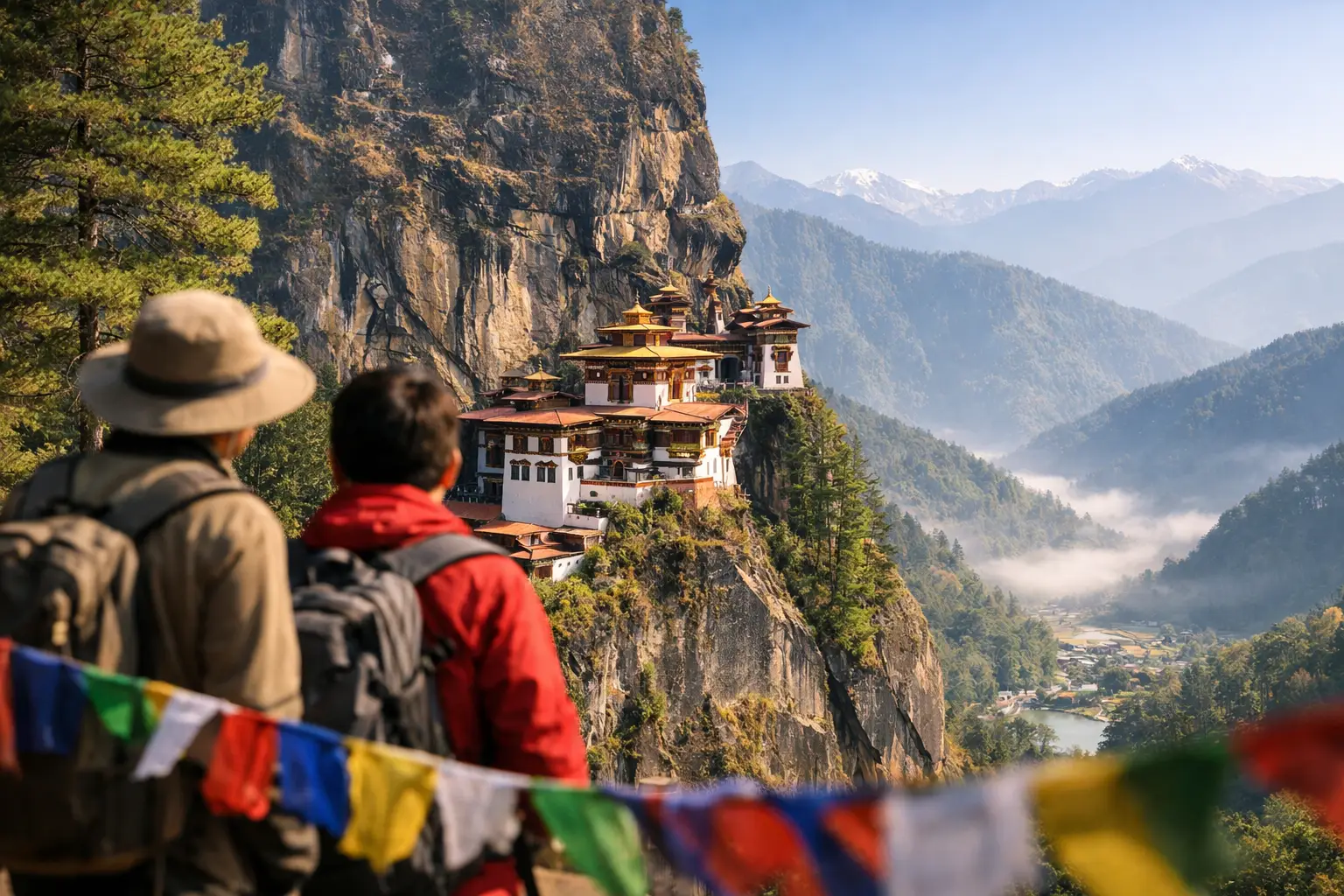
A journey through Bhutan is shaped as much by rhythm as by distance. A mountain road may take longer than it appears on a map, a monastery visit can invite quiet reflection, and a valley stay rewards allowing time to simply be there. The best Bhutan tour packages recognise this. They do not rush you from landmark to landmark; they create a thoughtfully paced journey through living culture, striking landscapes and deeply held traditions.
For Australian travellers, Bhutan can also involve a number of moving parts, from entry formalities and flights to accommodation, guides and road transport. A carefully coordinated itinerary turns those details into a calm, rewarding experience, leaving you free to focus on the places and people in front of you.
What a well-designed Bhutan itinerary should include
Bhutan is a small country, but its valleys have distinctly different characters. Thimphu, the capital, offers an engaging introduction to contemporary Bhutanese life alongside traditional architecture, craft and monastic culture. Paro is home to the country’s only international airport and several important heritage sites, set against a broad, beautiful valley. Punakha brings a warmer climate, terraced fields and one of Bhutan’s most celebrated dzongs, while the Phobjikha Valley has a more remote, open feel, particularly appealing to travellers drawn to nature and seasonal birdlife.
A considered itinerary usually combines two or three of these places rather than attempting to cover too much ground. Travel between valleys is part of the experience, with changing forests, prayer flags, hillside villages and mountain passes along the way. Yet these are winding roads, and comfort comes from allowing sensible travel times, well-timed stops and enough nights in each destination.
The most satisfying Bhutan tour packages balance the country’s defining sights with space for unplanned moments. That might mean lingering over butter tea in a farmhouse, taking an easy walk through a valley, visiting a local market with your guide, or sitting quietly in the courtyard of a dzong as the day softens.
Paro, Thimphu and Punakha: a rewarding first journey
For a first visit, a route linking Paro, Thimphu and Punakha offers an excellent sense of Bhutan without making the journey overly demanding. It is particularly suited to couples, friends and families who appreciate cultural depth alongside comfortable, characterful accommodation.
In Paro, the walk to Taktsang Monastery, widely known as Tiger’s Nest, is often a defining experience. It is a worthwhile ascent, and it should be approached at a pace that suits your fitness and acclimatisation. A knowledgeable guide can help shape the day properly, with an early start, rests where needed and time to take in the setting rather than treating the walk as a race.
Thimphu provides a useful contrast. Here, you may visit the National Memorial Chorten, observe artisans at work, explore museums or see monks in their daily routines. The city has a relaxed energy, with cafés, small shops and traditional buildings sitting alongside modern life.
Punakha is reached across the Dochula Pass, where clear conditions may reveal a remarkable sweep of Himalayan peaks. In the valley below, Punakha Dzong stands at the meeting point of two rivers. The setting is memorable, but the experience is enhanced by understanding its continuing role in Bhutanese life, not just its architectural beauty.
Add Phobjikha for a quieter valley experience
If you have additional time, Phobjikha is a natural extension. Its broad glacial valley, forested slopes and rural atmosphere provide a slower counterpoint to the main western circuit. Between late autumn and early spring, black-necked cranes migrate here, making the area especially meaningful for travellers with an interest in wildlife.
The trade-off is more road time. For many guests, it is well worth it when the itinerary includes a relaxed overnight or two-night stay rather than treating Phobjikha as a quick detour.
Choosing the right style of Bhutan tour package
There is no single ideal way to experience Bhutan. The right journey depends on how you like to travel, how much time you have and what you hope to take away from the destination.
A private tailored itinerary is especially valuable for travellers who want flexibility around pacing, accommodation style and interests. You may wish to focus on Buddhist heritage, textiles and craftsmanship, gentle walks, photography, food or time in the countryside. A private guide and vehicle allow the day to be shaped around those priorities, while keeping the underlying arrangements carefully managed.
Curated escorted journeys suit travellers who enjoy sharing the experience with a like-minded group while having a clear itinerary and tour management in place. This can be an appealing choice around Bhutan’s colourful festivals, when the atmosphere, ceremonial dress, music and masked dances add another layer to the visit.
Festival travel requires early, considered planning. Accommodation availability can be more limited around major events, and the best itinerary is not necessarily the one that chases the most festivals. One well-chosen celebration, placed within a balanced route, often feels more meaningful than a tightly packed schedule.
Why pacing matters more than ticking off places
Bhutan asks you to travel differently. Altitude, road conditions and the nature of the landscape all make a gentler pace more rewarding. This is not a destination best understood through early starts every day and constant hotel changes.
Allowing three nights in a key valley can transform the feel of a trip. It gives you time to settle into a lodge, revisit a place in different light, take an optional walk or enjoy a quieter afternoon after a morning of sightseeing. It also provides flexibility if weather or local timings call for a small adjustment.
This is where specialist planning makes a practical difference. Your flights, transfers, guide arrangements, accommodation and touring need to work as one coherent journey. For travellers combining Bhutan with Nepal, India, Sri Lanka or Vietnam, the sequencing becomes even more important. The aim is not merely to connect destinations, but to make the transition between them feel natural and unhurried.
Accommodation that belongs to the journey
Accommodation in Bhutan ranges from intimate heritage-style lodges to refined mountain retreats, and the best choice depends on the character of your itinerary. In some valleys, a secluded lodge with views and a strong sense of place may be the priority. In others, being close to a town or cultural site may better suit your plans.
Rather than selecting hotels in isolation, it is worth considering how each stay supports the overall experience. A comfortable room after a day on the road, thoughtful dining, warming hospitality and a peaceful setting all matter. The right accommodation also helps create a satisfying rhythm between active sightseeing days and time to rest.
The details that deserve professional coordination
Bhutan’s entry requirements, travel documentation and in-country arrangements need careful attention. International flight availability can shape the route, while accommodation and guide availability may influence the best sequence of stops. Seasonal conditions and local events can also affect timing.
These details do not need to become your project. Taj Voyages coordinates the practical framework of a personalised Bhutan holiday, including itinerary design, accommodation, transport and assistance with relevant travel documentation. You receive clear guidance before departure and a journey where the logistical work has already been considered.
It is also wise to allow enough time before travel for arrangements to be finalised, particularly if your Bhutan stay forms part of a wider Asian itinerary. Thoughtful preparation provides more choice and helps ensure the journey reflects your preferred pace and interests.
When to travel to Bhutan
Spring and autumn are popular for their generally clear conditions, comfortable daytime temperatures and opportunities for festivals. Spring brings blossoms and fresh green valleys, while autumn often offers crisp air and expansive mountain views. These periods can be especially appealing for walks and photography.
Summer has lush landscapes and a quieter, greener character, although rainfall may shape daily touring. Winter can be wonderfully clear and peaceful, with cooler temperatures, particularly at higher elevations. There is no universally best season; the more useful question is whether you are drawn to festivals, birds, mountain views, mild weather or a slower time in the valleys.
A Bhutan journey is most memorable when it leaves room for its own pace. With the route, stays and practical arrangements quietly taken care of, you can give your attention to the sound of prayer flags in the wind, the welcome at a village home and the rare pleasure of having nowhere else you need to be.