
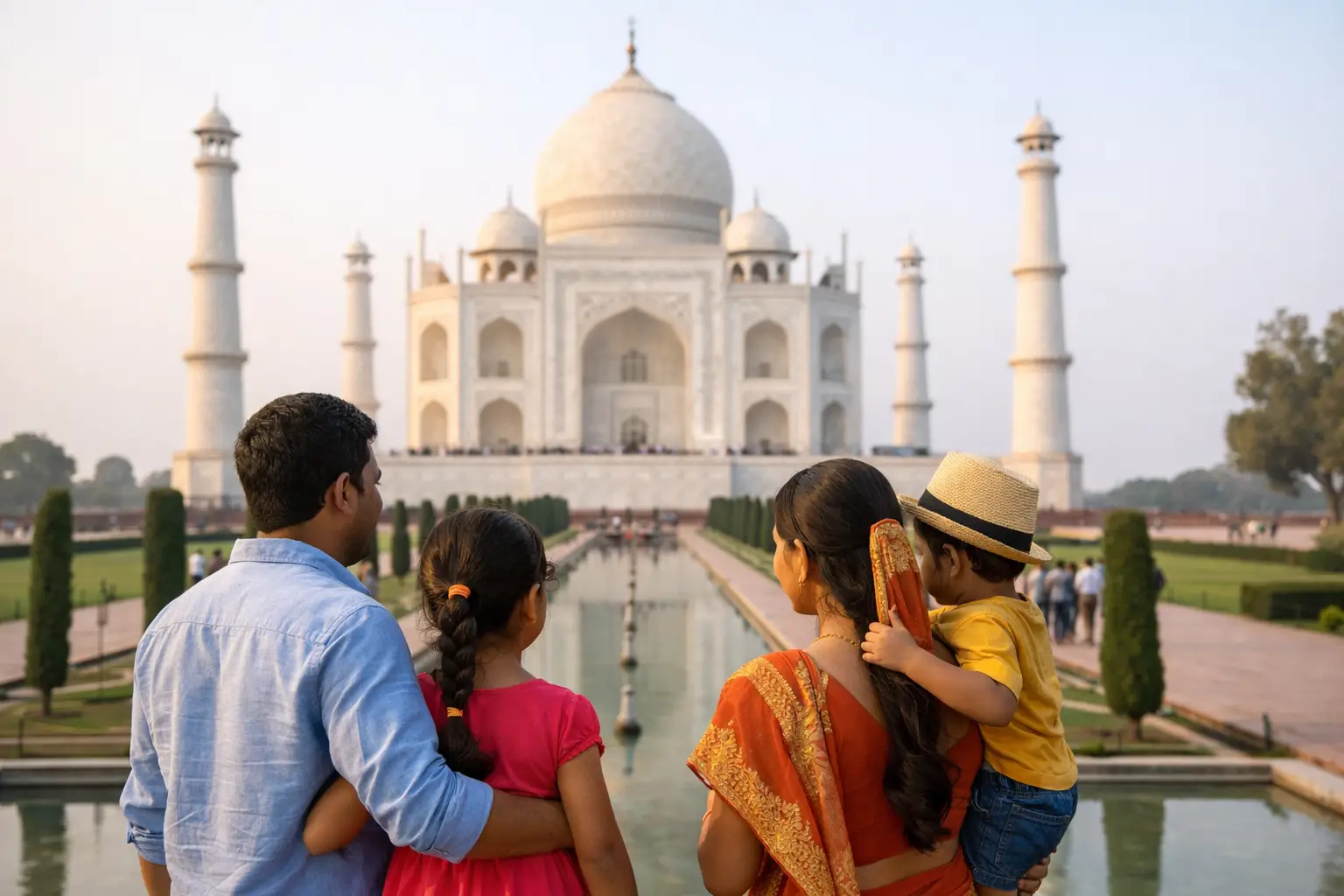
A family holiday in India can mean watching the sun rise over the Taj Mahal, spotting a tiger from an open safari vehicle, learning to roll chapati with a local chef, or settling into a quiet heritage hotel garden after a busy day. India for families: what to know before you go comes down to one essential principle - thoughtful planning allows the country’s colour, warmth and variety to feel exciting rather than rushed.
For Australian families travelling long-haul, the right itinerary is less about fitting in every celebrated sight and more about creating a comfortable rhythm. With well-chosen hotels, private touring, considered travel times and guides who know how to engage younger travellers, India is richly rewarding across generations.
India for Families: What to Know Before You Go
India is vast, and each region offers a distinctly different experience. A successful family itinerary starts with choosing a small number of places that suit your children’s ages, interests and confidence with travel. Trying to cover too much ground can turn even remarkable moments into a blur.
For a first visit, North India often offers an appealing combination of grand architecture, wildlife, colourful markets and comfortable heritage stays. A journey through Delhi, Agra and Rajasthan can be shaped around engaging experiences rather than long days of sightseeing: a rickshaw ride through Old Delhi, a kite-flying session in Jaipur, a gentle village walk or an evening cultural performance at a palace hotel.
South India is particularly well suited to families who prefer a slower pace. Kerala’s backwaters, tea-covered hills and coastal scenery offer a softer rhythm, while Karnataka and Tamil Nadu bring together wildlife, temples, history and excellent family-friendly resorts. For older children and teenagers, a carefully planned journey may combine the energy of Rajasthan with a few restorative days in Kerala or Goa.
The key is to give each destination room to breathe. Two or three nights in a place is usually more enjoyable than checking in and out each day, especially after an international flight.
Build the Journey Around Your Family’s Rhythm
Children do not need a diluted version of India. They respond beautifully to hands-on experiences, animals, food, stories and the small details that adults can sometimes overlook. They also need breaks, familiar routines and enough unstructured time to recharge.
Plan touring for the cooler part of the morning, return to the hotel during the warmest hours where appropriate, then head out again later in the afternoon. This approach is particularly helpful in cities and at major monuments, where early starts can offer a calmer and more comfortable experience.
Private transport gives families valuable flexibility. You can pause for a drink, adjust a touring day if someone is tired, or spend longer at an activity that has captured everyone’s attention. On longer road journeys, a planned stop at a suitable restaurant or heritage property makes the travel itself feel part of the holiday rather than time lost between destinations.
Match activities to age and curiosity
Younger children often enjoy short, vivid experiences: an elephant conservation visit, a cooking class adapted for families, a boat ride, a puppet show or a guided walk through a market. Teenagers may be more interested in photography, architecture, cricket, street food demonstrations, conservation, art or the living history behind India’s forts and palaces.
Wildlife safaris can be a highlight for many ages, but they work best when expectations are realistic. Sightings are never the only point. The anticipation of a dawn drive, the call of birds in the forest and the skill of an experienced naturalist can make the experience memorable whether or not a tiger appears.
Luxury rail journeys can also suit multigenerational groups, particularly when the appeal is as much about the shared journey as the destinations. The best choice depends on the route, the children’s ages and how much time your family wishes to spend travelling between stops.
Choose Accommodation That Gives Everyone Space
The hotel is not simply where your family sleeps. It is where you reset after a full day, enjoy a relaxed meal and perhaps take an afternoon swim before evening plans. Room configurations, interconnecting options, family suites and proximity between rooms should be considered from the beginning, rather than treated as a late booking detail.
Heritage hotels can bring a real sense of occasion, often with courtyards, gardens and stories that make a stay feel distinctive. Contemporary city hotels may be more convenient after a late flight or before an early departure. In wildlife regions, a well-run lodge with thoughtful service and comfortable downtime can make the early starts entirely worthwhile.
It is worth discussing your family’s preferences openly. Some children settle best with a pool and familiar breakfast options; others will happily trade those comforts for a room overlooking a lake or a stay in a historic haveli. There is no single right answer, only the accommodation mix that supports your particular journey.
Food, Comfort and Everyday Practicalities
India’s food is one of its great pleasures, and families can approach it with curiosity rather than pressure. Indian cuisine is enormously varied, from mild South Indian dosas and fragrant rice dishes to breads fresh from the tandoor, tropical fruit and refined regional cooking. A good guide and hotel team can help suggest dishes suited to individual tastes and dietary needs.
Let children try small portions, while ensuring there are reliable choices when they would prefer something familiar. If allergies or special dietary requirements are part of your family’s daily life, these should be recorded clearly in advance and reiterated at each hotel and restaurant arrangement.
Pack for comfort rather than formality. Light, breathable clothing, a light layer for air-conditioned cars and evenings, comfortable closed shoes, sun protection and a small day bag make daily touring easier. Modest clothing is appreciated at many religious and heritage sites, and a scarf or light cover-up can be useful for temple visits.
Before departure, speak with your doctor or travel health professional about individual health considerations and ensure regular medications are packed in hand luggage with supporting documentation where needed. Your itinerary should also allow for the practical realities of travelling with children: time to rest, easy access to snacks and water, and a little flexibility when plans need to change.
Make Cultural Encounters Feel Personal
India can be wonderfully welcoming to children, and families often find that everyday interactions become their most treasured memories. A local guide is invaluable here. Beyond explaining a monument’s history, they can bring places to life through stories, point out details children may miss and help your family engage respectfully with the people and traditions around them.
Encourage children to observe local customs before joining in. Removing shoes at certain sites, dressing respectfully and asking before taking photographs are simple habits that foster thoughtful travel. A well-paced itinerary can include meaningful encounters without making them feel staged: meeting artisans in their workshop, joining a seasonal celebration where appropriate, or learning about traditional crafts from the people who practise them.
For families travelling with grandparents, private touring is especially helpful. It allows different energy levels to be accommodated without separating the group. One person might enjoy a longer museum visit while another returns to the hotel, with everyone meeting again for dinner.
Plan the Timing, Flights and Formalities Carefully
India’s climate varies widely by region and season. Northern plains can be warm for much of the year, hill regions are cooler, and the monsoon brings a different atmosphere to landscapes in the south and west. The ideal travel period depends on where you are going and whether your family is most interested in wildlife, festivals, beaches, mountains or cities.
Australian school holiday dates are naturally popular, so early planning can provide more choice in flights, room configurations and special experiences. It is also wise to consider the first and final nights carefully. A comfortable arrival stay after a long flight, and a sensible buffer before an international departure, can make the entire trip feel more relaxed.
Passports, visas and any requirements for travelling with children should be reviewed well ahead of time, as entry conditions can change. If one parent is travelling alone with a child, or if surnames differ, additional documentation may be advisable. Specialist visa support and organised travel documentation remove much of the administrative burden while keeping your family clear on what is required.
Let the Details Be Handled Before You Arrive
The most enjoyable family holidays feel unhurried because the detail has been considered well before departure. Airport transfers, reliable drivers, age-appropriate guides, meal preferences, room arrangements and realistic travel times all shape how a day unfolds on the ground.
Taj Voyages creates personalised India itineraries that bring these moving parts together, so your family can focus on the moments that matter: the first glimpse of a palace, a shared meal on a train, a child’s question answered by an expert guide, and the pleasure of discovering a country together at your own pace.