
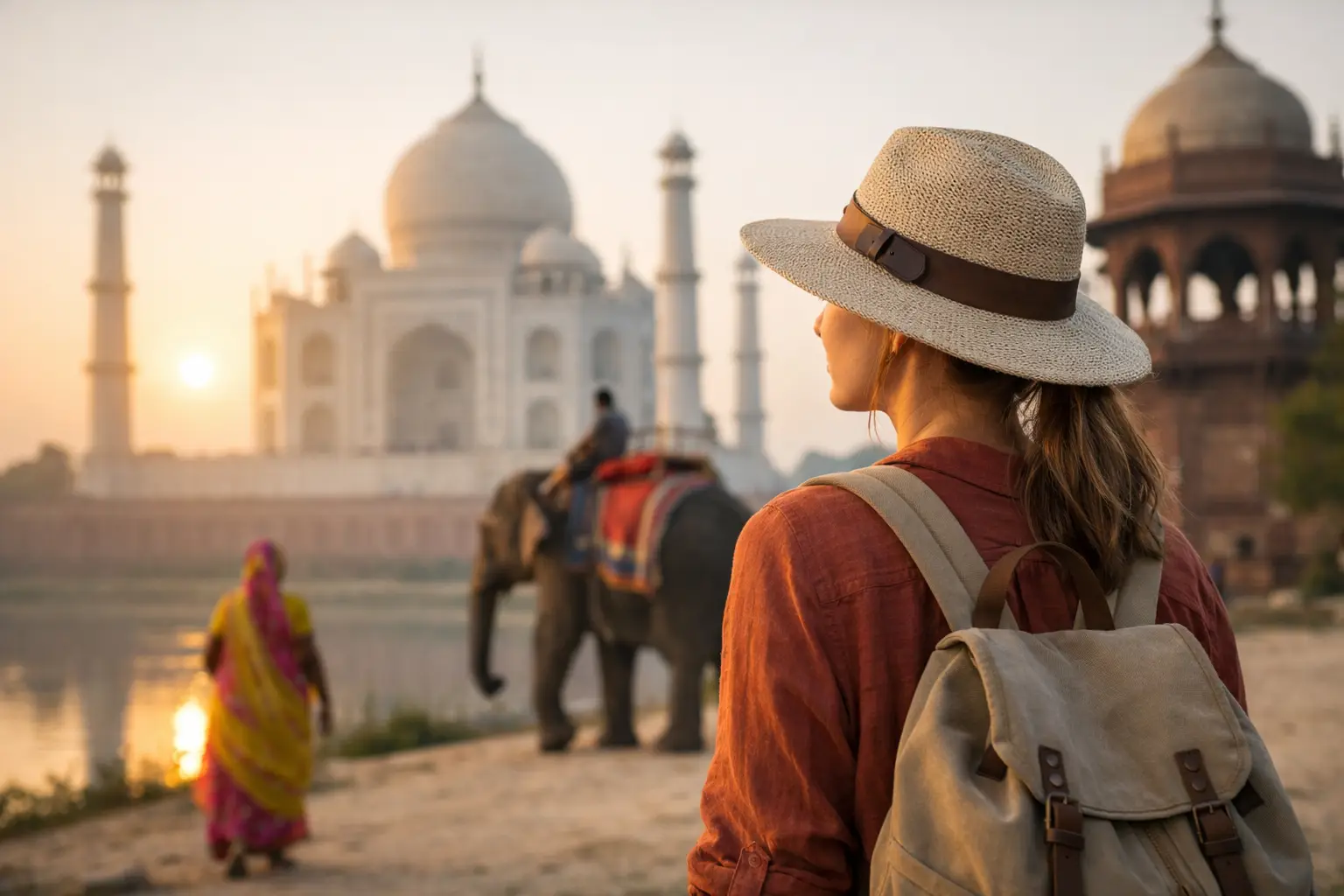
A sunrise over the Ganges in Varanasi, dinner in a restored haveli in Rajasthan, a tiger safari in Madhya Pradesh - India rewards travellers who arrive curious and well prepared. So, is India safe for tourists and solo female travellers? For most visitors, yes: particularly when the journey is thoughtfully designed, transport is reliable and support is available throughout the trip.
India is vast, varied and intensely engaging. It is not a destination to treat as a single experience or to rush through without context. The practical realities of each region, season and itinerary matter. With the right pace, carefully selected accommodation and knowledgeable local hosts, India can feel not only manageable but deeply welcoming.
Is India safe for tourists and solo female travellers?
Safety in India, as anywhere, is shaped by where you go, how you travel and the arrangements around you. Major tourism centres have long welcomed international guests, with experienced hotels, guides, drivers and destination teams accustomed to supporting overseas visitors. Australians travelling on a curated private itinerary or escorted tour generally benefit from a clear daily plan and a dependable local point of contact.
For solo female travellers, the most reassuring element is usually not a rigid set of rules but the quality of the travel framework. A reputable driver who knows the route, guides who understand your interests and comfort level, and accommodation chosen for both character and location remove many unnecessary uncertainties. You remain free to experience India on your own terms, while never feeling that you must solve a logistical issue alone.
It is also worth recognising that India contains many different social rhythms. Mumbai, Delhi, Jaipur, Kochi, Udaipur and Bengaluru each feel distinct; a peaceful Kerala backwater stay is very different from a lively Old Delhi market. A considered itinerary allows for that contrast without placing too much pressure on any one day.
What makes a well-managed India journey feel secure
The greatest practical consideration is often movement between places. India’s distances can be substantial, and its cities can be busy. Pre-arranged airport welcomes, professional private drivers and well-timed rail or internal flight connections make a genuine difference to how relaxed you feel, especially after a long-haul flight or when arriving somewhere unfamiliar.
Accommodation matters just as much. Well-regarded hotels and heritage stays offer more than a comfortable room. They provide a calm base, knowledgeable concierge teams, attentive service and locations that suit the day’s plans. After a morning among Jaipur’s palaces or an afternoon in Chennai’s galleries, returning to a place where you feel recognised and cared for is part of the experience.
Local guidance adds another layer of ease. A good guide does not simply explain a monument. They can help you read the pace of a neighbourhood, choose the right moment to visit a busy site, arrange an appropriate table for dinner and tailor the day when your interests lead elsewhere. This is particularly valuable for solo travellers, who may want independence without the isolation of managing every detail.
At Taj Voyages, these details are brought together before departure, from routing and accommodation to transport coordination and in-country support. The aim is not to over-schedule every moment. It is to give you the confidence that the essential arrangements have been handled properly.
Sensible awareness, without losing the joy of travel
India’s warmth and hospitality are among its most memorable qualities, and ordinary travel awareness goes a long way. In busy markets, railway stations and major visitor sites, keeping valuables secure and remaining aware of your surroundings is wise, just as it is in any large international city. Your guide or hotel team can advise on the character of an area and the most comfortable way to explore it.
Traffic is another consideration. Roads can be lively, crossings may feel different to those at home, and travel times can vary. Experienced local drivers and realistic scheduling are therefore far more valuable than trying to fit too many sights into one day. A well-paced itinerary leaves room for a leisurely breakfast, a rest during the warmest part of the afternoon, or time to enjoy a hotel’s gardens before dinner.
For women travelling alone, modest and context-aware dress can help you feel at ease, particularly at places of worship and in smaller towns. This need not mean sacrificing personal style. Light layers, a scarf or shawl, and clothing suited to the climate are practical choices that also respect the setting. Hotels and guides can offer clear, discreet advice for each region.
Communication is usually straightforward in tourism settings, where English is widely used. Even so, a local host can be invaluable when plans change, luggage is delayed or a restaurant reservation needs adjusting. The comfort lies in knowing help is close at hand, not in expecting that nothing will ever need attention.
Choosing regions that suit your travel style
There is no single best first itinerary for India. The right choice depends on the kind of experience you want and the tempo that feels comfortable.
For a classic introduction, Delhi, Agra and Rajasthan combine significant architecture, excellent hotels and a well-established touring rhythm. Private guided visits can make the difference between merely seeing the Taj Mahal and understanding the craft, history and setting that give it meaning. Cities such as Udaipur and Jaipur also allow time for refined dining, museums, artisan traditions and peaceful hotel courtyards between sightseeing.
South India often appeals to travellers seeking a gentler pace. Kerala’s waterways, Tamil Nadu’s temple towns and Karnataka’s heritage landscapes offer rich cultural experiences with a more unhurried flow. A well-designed route can balance historic sites with coastal stays, Ayurveda-inspired wellness experiences or time amid tea country.
Wildlife itineraries in central India are particularly rewarding when carefully coordinated around suitable lodges, safari timings and internal transfers. For solo female travellers, the small-group atmosphere of a safari and the attentiveness of lodge staff can feel both sociable and reassuring.
Luxury rail journeys offer another elegant option. On services such as the Maharaja Express, Palace on Wheels, Golden Chariot or Deccan Odyssey, accommodation, dining, sightseeing and logistics are coordinated within the journey itself. They suit travellers who appreciate changing landscapes and cultural variety without repeatedly packing, unpacking and navigating new arrivals.
Why tailored planning matters more for solo travellers
Travelling solo does not mean travelling without connection. Many women value private space and the freedom to follow their own interests, while also appreciating carefully selected guides, companions for specific activities and hosts who understand when to step back. A personalised itinerary can make room for both.
Perhaps you would like an early photography walk in Varanasi, a private cooking experience in Jaipur, an afternoon at a textile atelier, or several quiet days at a coastal retreat. These requests shape the itinerary in a way a standard programme rarely can. They also allow travel days, meal arrangements and sightseeing to be planned around your preferred rhythm rather than a group timetable.
For couples, families and small private groups, the same principle applies. When flights, transfers, guides and hotels work together, the journey feels composed rather than fragmented. This is especially useful in India, where the most rewarding experiences are often found across several regions rather than in one city alone.
Before you depart
A few preparations help every traveller feel settled. Ensure travel insurance suits your itinerary and planned activities, keep copies of key travel documents, and discuss any health considerations with an appropriate medical professional before departure. Entry requirements and visa processes can change, so having current guidance and adequate time for applications is sensible.
Share your interests and any preferences early with your travel specialist. This might include a preference for female guides where available, a desire for quieter accommodation, dietary needs, mobility considerations or a wish to include free afternoons. These are not minor details. They are what turn a good itinerary into one that genuinely feels like yours.
India is best approached with openness, respect and a plan that has been designed by people who understand its distances, rhythms and extraordinary range. When the practicalities are quietly taken care of, you have more room to notice the generosity of a welcome, the precision of a craft tradition, and the moments of stillness that often become the ones you remember most.