
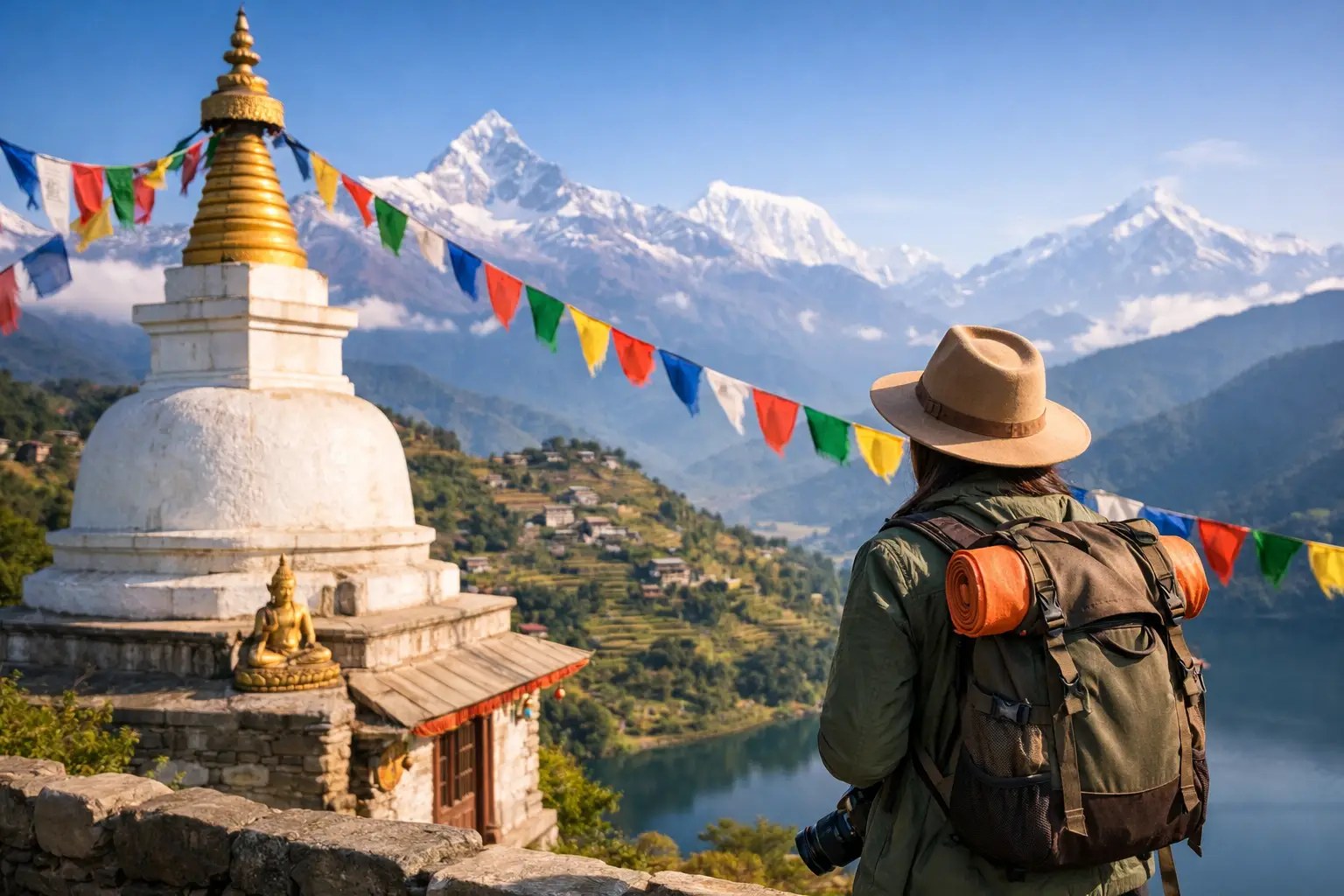
The first glimpse of the Himalayas can change the pace of a journey. One moment you are in the lively lanes of Kathmandu, surrounded by carved timber windows, temple bells and the scent of incense; the next, the valley opens towards snow-fed peaks. The best Nepal tour packages make room for both experiences, pairing the country’s remarkable landscapes with its deeply lived traditions, while ensuring each transfer, stay and guided visit is calmly coordinated.
For Australian travellers, Nepal rewards a considered itinerary. Distances can look modest on a map, yet mountain roads, flight schedules and the natural desire to linger all shape how a journey feels. A well-planned holiday is not about fitting every region into one trip. It is about choosing the places that speak to you and allowing enough time to experience them properly.
What makes Nepal such a rewarding destination?
Nepal has an unusual ability to feel expansive and intimate at once. Its great mountain ranges naturally draw attention, but the country’s appeal extends well beyond trekking. Ancient royal cities sit within the Kathmandu Valley, wildlife moves through the grasslands of Chitwan, and Pokhara offers a gentler rhythm beside its lakes, with the Annapurna range in view on clear mornings.
Cultural encounters are equally compelling. In Kathmandu, Patan and Bhaktapur, you can spend time among temple squares, artisan workshops and neighbourhood courtyards where daily life continues around centuries-old architecture. Buddhist stupas and monasteries offer another perspective, particularly around Boudhanath, where the steady movement of pilgrims creates an atmosphere that is both ceremonial and welcoming.
The pleasure of Nepal is often found in these contrasts: a refined heritage hotel after a day in the old cities, a quiet dawn in the foothills after Kathmandu’s colour and energy, or a guided conversation that brings a historic site into clearer focus. A curated itinerary connects these moments without making the journey feel rushed.
Choosing Nepal tour packages around your interests
The right itinerary depends on what you would like Nepal to reveal. For some travellers, the priority is heritage and spirituality. For others, it is mountain scenery, nature or time with family in a setting that feels culturally rich but manageable. A private journey can combine these elements with greater flexibility, while an escorted tour may suit those who value the companionship and structure of a shared departure.
Heritage, art and spiritual traditions
A cultural itinerary generally begins in the Kathmandu Valley. Staying for several nights gives you time to understand the distinct character of its three historic cities. Kathmandu is energetic and layered, Patan is known for its artistic heritage and fine metalwork, and Bhaktapur has a more tranquil, pedestrian-friendly feel.
Thoughtful pacing matters here. Rather than moving quickly from monument to monument, a specialist can arrange private guiding that leaves room to notice the details: a painted shrine, a master craftsperson at work, or the ritual rhythms around a temple precinct. Visits can be complemented by a cooking experience, an architectural walk or time in a monastery, depending on your interests and the local calendar.
Mountain views without a demanding trek
You do not need to undertake a high-altitude trek to experience Nepal’s mountain grandeur. Pokhara is a natural addition for travellers seeking Himalayan views in a more relaxed setting. Its lakefront setting, nearby villages and mountain outlooks create a welcome contrast to the capital.
Short walks, private scenic drives and early-morning excursions can all be built into a stay here. In the right season and weather conditions, a scenic mountain flight may also be considered. These experiences are best treated as highlights rather than promises, as views and aviation operations are always shaped by conditions on the day.
For travellers who want a more active element, selected Himalayan foothill walks or lodge-based experiences can be included. The appropriate level of activity, duration and altitude should be carefully matched to your comfort, fitness and prior experience.
Wildlife and the lowland landscapes
Chitwan National Park provides a very different side of Nepal. The terrain is flatter, the climate warmer and the focus shifts towards wildlife, river landscapes and the Tharu cultural traditions of the region. Quality jungle lodges can arrange guided nature activities at a pace that suits you, including jeep safaris, birdwatching and time on the river.
Adding Chitwan works particularly well for travellers who want range in a single holiday. After the intensity of the valley and the visual drama of the mountains, a few nights immersed in nature offers space to slow down. It is also a strong choice for families and small groups, where shared experiences often become the most memorable part of the journey.
The difference is in the coordination
Nepal is not a destination where the finest itinerary is simply a list of attractive hotels and sights. The order of travel, the timing of flights, the choice of local guides and the balance between touring and rest all have a material effect on the experience.
A premium package should account for arrival patterns from Australia, sensible connection times and the most comfortable way to move between regions. Domestic air travel can save considerable time, while road journeys are sometimes worthwhile for the scenery and access they provide. There is no single answer: the better option depends on the route, the season and how you prefer to travel.
Accommodation also deserves careful attention. Nepal offers characterful heritage properties, polished city hotels, peaceful mountain retreats and well-situated wildlife lodges. The aim is not to make every stay look the same, but to select each property for its sense of place, service and role within the journey.
Behind the scenes, the practical details deserve the same care. Support with visa requirements and documentation guidance, private airport arrangements, experienced local representation and a clear day-by-day itinerary can remove much of the uncertainty from a multi-stop holiday. Visa and entry requirements can change, so they should always be checked against current official advice before travel.
When to travel and how long to allow
Spring and autumn are popular for clear mountain views, comfortable touring temperatures and access to many regions. These periods can also coincide with lively festivals and greater visitor demand, so early planning gives more choice of preferred accommodation and experiences.
Winter can be especially appealing for cultural touring, with crisp days in the valley and generally quieter conditions, although mornings and evenings may be cool. The monsoon months bring greener landscapes and a different atmosphere, but rainfall can affect road conditions and mountain visibility. For a journey focused on heritage, wellbeing or wildlife rather than panoramic peaks, this period can still be considered with the right expectations.
As a general guide, allow at least seven to nine nights to experience Kathmandu and one contrasting region without feeling hurried. Ten to fourteen nights opens the possibility of combining the valley, Pokhara and Chitwan at a more gracious pace. If Nepal is part of a wider South Asian itinerary, the sequence becomes particularly important, as a few carefully placed rest days can make a substantial difference after long-haul flights.
A journey shaped around you
The most successful Nepal holidays have a clear centre of gravity. You may be drawn to the artistic traditions of the valley, the stillness of a Himalayan sunrise, wildlife encounters, or a meaningful mix of all three. Starting with that preference makes it easier to decide what belongs in the itinerary and what can wait for another visit.
Taj Voyages designs personalised Nepal journeys with this kind of clarity in mind, bringing together accommodation, touring, transport and practical support into one well-managed experience. The result is not a rigid schedule, but a journey that feels coherent from the moment you arrive.
Nepal is best approached with curiosity and enough time to absorb its changing landscapes and enduring traditions. Let the itinerary leave space for the unscripted moments too: tea overlooking the hills, a quiet courtyard after the crowds have moved on, and the mountains appearing when you least expect them.